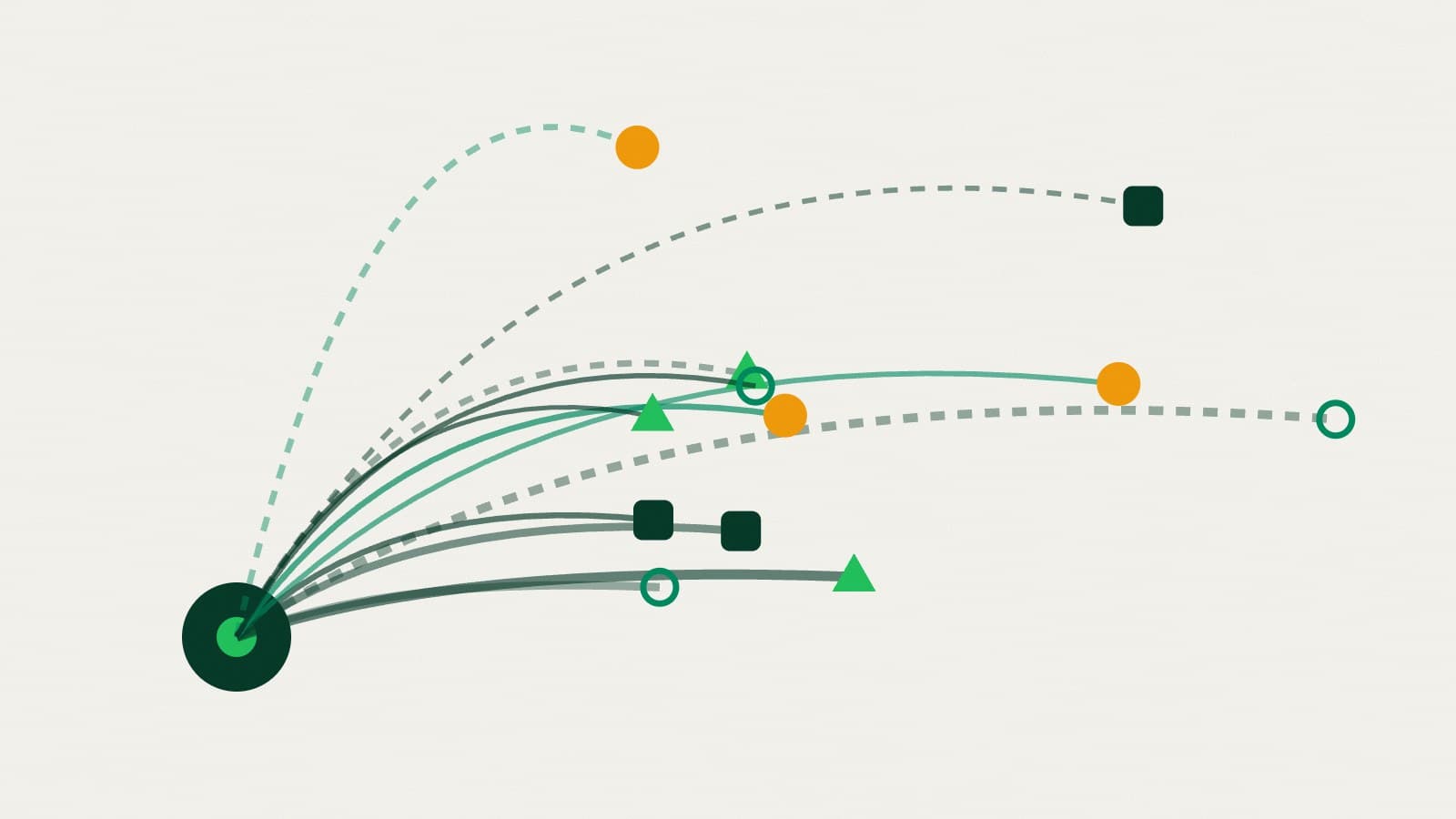
One family, five travellers, five different trips
A family may share one booking but not one definition of a good trip. Real personalisation is an operations problem before it becomes a design feature.
In this article
A family holiday should not be treated as one generic traveller profile. Good personalisation turns each person's needs into operating facts that shape rooms, meals, vehicles, timings, activities and price before the agency sends the quote.
A family of five asks for a holiday.
The grandparents want a comfortable pace and minimal walking. The parents want one memorable stay. One child needs reliable internet. Another wants activities. Someone is vegetarian. Someone else wants to try every local dish. The person paying wants a clear total and no surprises.
It is one enquiry.
Operationally, it is five different trips travelling together.
Why is "Indian family traveller" too broad?
The India Luxury Traveller Benchmark 2026 argues that the market cannot be understood through one generic high-value traveller profile. It identifies multiple personas shaped by motivation, family structure and what the trip must protect.
That finding matters beyond luxury.
Indian family travel often carries several layers of need inside one booking: room configuration, food, mobility, celebration, privacy, pace, budget and the expectations of different generations. A standard itinerary can include the right destination and still feel wrong to the people taking the trip.
Real personalisation is not changing the traveller's name on a PDF. It begins with capturing constraints accurately.
Where does travel personalisation break during operations?
Most agency owners know how to ask the right questions. The problem appears after the conversation.
Important details remain inside a WhatsApp chat or one staff member's notes. The itinerary maker sees part of the brief. The supplier receives another version. A quote includes a room arrangement that does not fit the party. A dietary request is mentioned in prose but not connected to the relevant service. A late transfer makes sense on paper but exhausts the oldest traveller.
Each mistake looks small. Together, they change the trip.
The owner becomes the manual quality-control layer, checking every document because the workflow cannot preserve the original intent.
How can agencies turn traveller preferences into operating facts?
A useful travel system should connect preferences to the commercial and operational facts needed to deliver them.
- "Comfortable pace" should affect drive time and activity count.
- "Three generations" should affect rooms, vehicle choice and timing.
- "Vegetarian" should be attached to relevant meals and supplier notes.
- "Anniversary" should appear where the hotel or experience partner needs it.
- "Keep the total under budget" should remain visible while services change.
The goal is not to automate empathy. It is to stop losing the details that empathy uncovered.
Can better personalisation protect agency margins?
Customisation is often treated as extra work that reduces efficiency. It does not have to.
When services, rates and rules are organised, the team can create meaningful options without rebuilding the trip from zero. They can compare hotels, adjust a vehicle, slow down one day or add an experience while keeping track of the commercial effect.
That makes the conversation better for the traveller and safer for the agency. Instead of defending one large number at the bottom of a quote, the agency can explain the choices that produced it.
Before sending the next multi-generational quote, check:
- Does the room plan fit every adult and child?
- Are drive times realistic for the oldest and youngest travellers?
- Are food requirements visible where they matter?
- Can the customer see what is included and excluded?
- Can the team trace every price to its source?
If those checks are difficult, the problem is not the team's care. It is the workflow carrying that care.
At NAMA, we are building around a simple belief: the best itinerary is not the one with the most pages. It is the one that proves the agency understood the people taking the trip.
A family may travel on one booking. The quote should respect every traveller inside it.
Send NAMA one complex family enquiry and the rate sheet behind it. See how traveller details, supplier rates and agency margins can become one clear, branded quote. Book a demo.
Sources
This post was drafted and published through NAMA's own engine - AI drafts, a human approves every send.
Frequently asked questions
- What is multi-generational travel personalisation?
- It is the process of designing one shared trip around the different mobility, food, room, pace, activity and budget needs of several generations. Those needs must affect the actual services and price, not just the wording of the itinerary.
- What details should an agency collect for a family holiday?
- Collect ages, room configuration, mobility needs, food requirements, preferred pace, must-do experiences, celebration notes, connectivity needs and the total budget. Confirm which details apply to which traveller and service.
- Why do personalised travel requests get lost after the sales call?
- They are often left in WhatsApp chats or one person's notes. When the itinerary maker, supplier and quotation team receive different versions, the final trip no longer reflects the original brief.
- Can travel personalisation improve agency margin?
- Yes. When rates, services and rules are organised, the agency can compare meaningful options and show their commercial effect without rebuilding the quote from zero. Clear choices also make the total easier to explain.
- How should travel software handle traveller preferences?
- It should connect each preference to an operating decision, such as room type, vehicle, meal note, activity count, transfer time or supplier instruction, and keep the effect visible as the itinerary changes.